


Modernization has become a reflex. Legacy systems are framed as liabilities. Older platforms are assumed to be fragile, inefficient, or risky simply because they are not new. In many organizations, the default assumption is that anything aging must be replaced.
That assumption deserves more scrutiny than it usually gets.
Modernization is not inherently virtuous. It is a business decision, and like any business decision, it carries cost, risk, and opportunity trade-offs. Treating it as inevitable often leads to unnecessary disruption and avoidable expense.
Some systems are old because they work.
Organizations accumulate technology over time, not by accident, but in response to real needs. Systems that survive for years often do so because they are stable, well understood, and deeply integrated into business operations. They may not be elegant. They may not be fashionable. But they deliver consistent outcomes.
Replacing those systems simply because they are not modern enough on paper can introduce more risk than leaving them in place.
The pressure to modernize usually comes from outside signals rather than internal failure. Vendors promote new platforms. Consultants emphasize transformation. Industry narratives frame modernization as a marker of maturity. Over time, leaders absorb the message that standing still is falling behind.
What gets lost is context.
Not every system benefits from change. Applications with predictable workloads, low change frequency, and limited integration needs often gain little from modernization. The cost of rewriting them, retraining staff, and revalidating business processes can outweigh any theoretical efficiency gains.
In those cases, modernization becomes a solution in search of a problem.
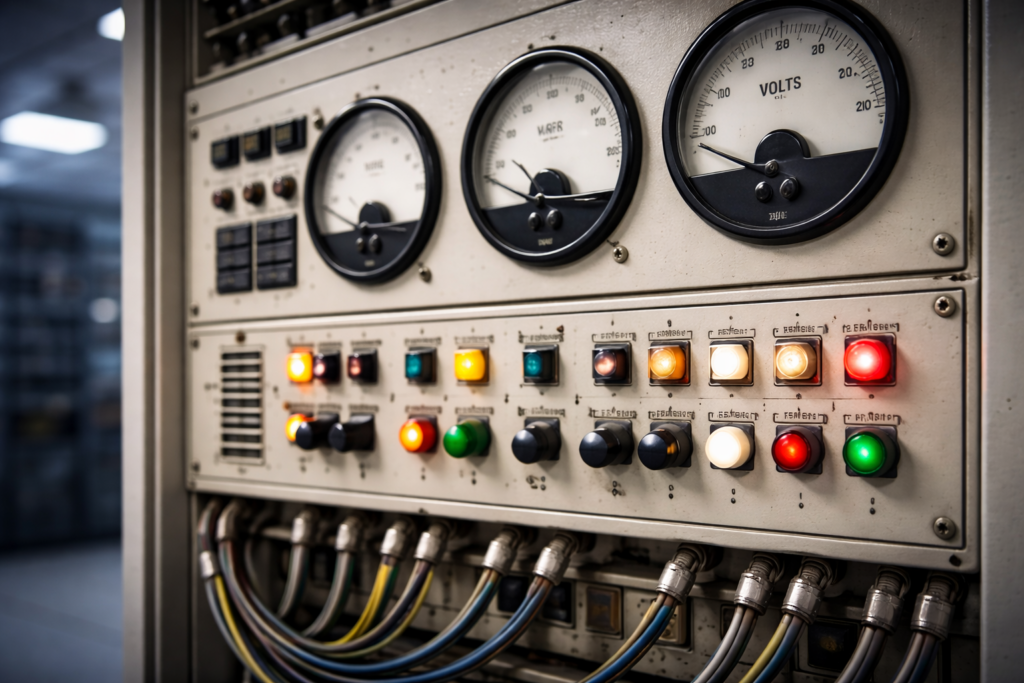
There is also a human cost that is frequently underestimated. Long-standing systems are often supported by institutional knowledge that does not exist on paper. Teams understand their quirks, edge cases, and failure modes. When those systems are replaced, that knowledge is lost, and the organization enters a learning curve that is rarely factored into timelines or budgets.
The risk is not just technical. It is operational.
Modernization initiatives also compete for attention. Every major transformation consumes leadership focus, engineering capacity, and organizational goodwill. When too many systems are targeted at once, execution quality drops. Projects stretch. Confidence erodes. The business pays the price long before any benefits materialize.
None of this is an argument against modernization itself. Some systems absolutely need to change. Platforms that inhibit growth, create security exposure, or require disproportionate effort to maintain are legitimate candidates for replacement. The mistake is assuming that age alone is sufficient justification.
A more disciplined approach starts by asking different questions.
Is this system preventing the business from moving forward, or is it simply unfashionable? Does it introduce material risk, or does it just lack modern aesthetics? What would actually break if it stayed in place for another three years?
These questions often lead to uncomfortable answers. Sometimes the most rational choice is to delay action. Sometimes the right decision is to modernize around a system rather than replace it. Sometimes the smartest move is to leave something alone and invest effort elsewhere.
That restraint is harder to sell than transformation. It does not come with glossy roadmaps or ambitious timelines. It requires confidence in judgment rather than momentum.
Organizations that make better technology decisions tend to modernize selectively. They focus effort where it unlocks new capability, reduces real risk, or enables measurable business outcomes. They resist the urge to treat modernization as a checkbox.
Doing nothing, when done deliberately, is not neglect. It is prioritization.
Technology should serve the business, not the narrative. Knowing when not to modernize is just as important as knowing when to push forward.